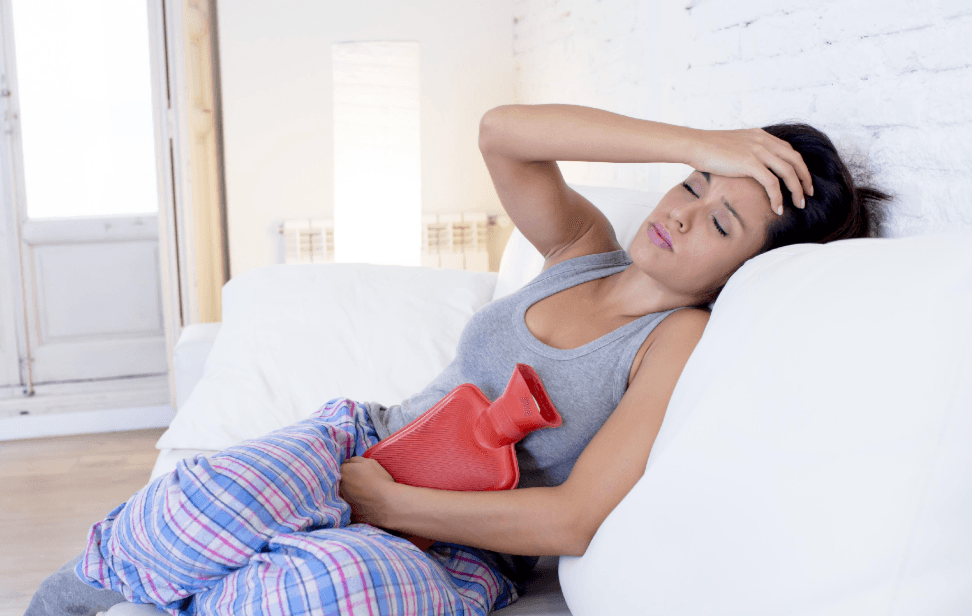
Many people experience bloating and cramping during their menstrual cycle, but few understand what’s actually happening inside the body to cause these symptoms. While these sensations can feel uncomfortable, heavy, or disruptive, they’re rooted in very real hormonal and physiological changes that occur each month. Understanding the science behind period bloating and cramps can help you feel more in control of your body and more empowered to manage your symptoms.
Bloating during menstruation happens largely because of hormonal shifts, especially in progesterone and estrogen. In the days before your period, progesterone rises and causes your body to retain more water and sodium, leading to temporary swelling and fullness in the abdomen. Progesterone also slows digestion, giving gut bacteria more time to ferment carbohydrates, which increases gas production and abdominal pressure. When your period begins, prostaglandins are released by the uterus to shed its lining and can affect the intestines as well, causing bowel changes, cramping, and worsened bloating. Combined with common pre-period cravings for salty or high carb foods, this creates the perfect storm for that familiar sensation of abdominal distension.
Period cramps, or dysmenorrhea, are primarily caused by the release of prostaglandins from the uterine lining. These hormone like chemicals make the uterus contract powerfully to help expel the menstrual tissue. The stronger these contractions, the more they restrict blood and oxygen flow to the uterine muscle, creating ischemic pain which is the deep, aching, sometimes radiating cramps people feel in their lower abdomen, back, or thighs. Prostaglandins can also circulate throughout the body and stimulate the intestines, contributing to nausea, diarrhea, and increased sensitivity to pain. For some individuals, additional conditions such as endometriosis, fibroids, or a naturally narrower cervical opening can intensify cramping even further.
Together, bloating and cramping represent the body’s natural response to hormonal fluctuations and the monthly process of shedding the uterine lining. While uncomfortable, these changes are a normal part of the menstrual cycle, and understanding the mechanisms behind them makes it easier to navigate your symptoms with awareness and confidence.
At Youtrition, we believe that clear, science backed explanations help you build a better relationship with your body one cycle at a time.
Resources
Tacani PM et al. (2015).Edema and Symptom Distribution Across the Menstrual Cycle.International Journal of Women's Health.
Jenkinson C et al. (2020).Primary Dysmenorrhea: Pathophysiology and Treatment.British Medical Journal.