Diarrhea, smelly fatty poop and weight loss?
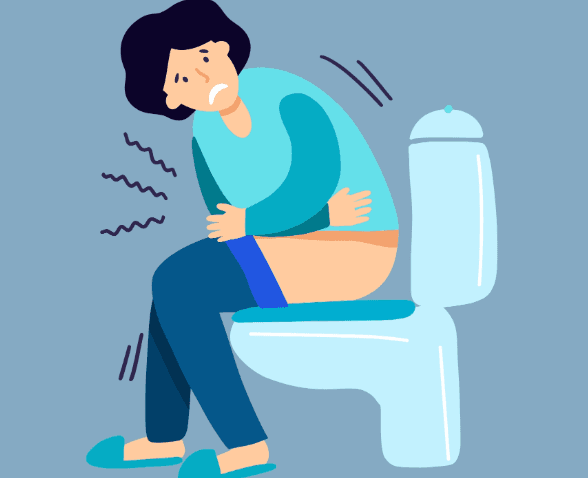
Yes it might be a sensitive topic but its an important one that will help you pick the correct foods to put in your body so you don't feel like crap. One of the most common bowel related conditions are Celiac Disease.
Celiac disease is an autoimmune condition in which eating gluten which is a protein found in wheat, barley, and rye and can trigger inflammation that damages the small intestine, especially the proximal small bowel where most nutrient absorption occurs. Over time, this inflammation causes atrophy of the intestinal villi, the tiny finger like structures that help absorb vitamins, minerals, and calories, leading to symptoms like bloating, diarrhea, fatigue, nutrient deficiencies, and unintentional weight loss. Celiac disease is more common in people of Northern European ancestry, and its prevalence increases with age, but it can affect anyone. The only effective treatment is a strict lifelong gluten free diet, which allows the intestinal lining to heal and nutrient absorption to recover. With early diagnosis and proper nutrition support, most people with celiac disease can restore gut health and feel better within months.
The good thing is you can easily avoid it! Don't consume foods containing Gluten. Removing gluten stops the immune system from attacking the intestinal villi, allowing the small bowel to heal and nutrient absorption to improve over time. Many people begin feeling better within weeks, but full recovery of the intestinal lining can take several months to a year depending on the severity of damage. During the healing phase, nutrition support may include correcting deficiencies in iron, calcium, vitamin D, B12, folate, and zinc, which are commonly low in untreated celiac disease. Some individuals may also benefit from probiotics and gut soothing foods to help reduce inflammation and restore balance. With consistent gluten avoidance and proper nutritional guidance, most people can fully heal their gut and maintain long term digestive and overall health.
Smart shopping:
The key is to avoid anything made with wheat, barley, or rye, and choose whole, naturally gluten free foods whenever possible.
Start in the produce section and fill your cart with fruits, vegetables, potatoes, leafy greens, and herbs which are all naturally gluten free and rich in gut healing nutrients.
For grains, choose options like rice, quinoa, millet, buckwheat, amaranth, and certified gluten-free oats. When buying packaged foods such as breads, crackers, cereals, or pasta, always look for labels that say “Certified Gluten Free” to avoid hidden sources of gluten and cross contamination.
Safe protein options include fresh meats, poultry, fish, eggs, tofu, beans, nuts, and seeds.
Dairy products like yogurt, cheese, and milk are generally gluten-free, but always double-check flavored or processed items.
Avoid sauces and condiments containing hidden wheat (especially soy sauce, marinades, gravies, soups), and choose gluten free versions like tamari or coconut aminos.
For snacks, reach for gluten free popcorn, nuts, rice cakes, tortilla chips, and gluten free granola bars. Finally, keep a list of “unsafe” ingredients (like malt, brewer’s yeast, and wheat starch) and scan labels every time as companies change recipes often. With a few staple swaps, eating gluten free becomes simple, nourishing, and delicious.
On the Youtrition app we help you figure all this out so be sure to follow us on our social medial pages https://www.facebook.com/people/Youtrition/61581049803330/#
https://www.instagram.com/youtrition.app/#
https://www.tiktok.com/@youtritionapp