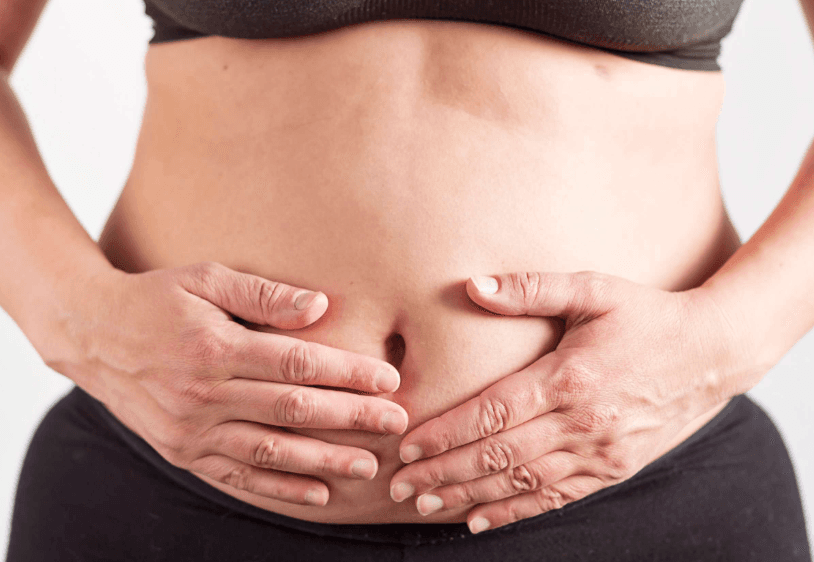
Many people use the word bloating to describe feeling overly full, swollen, or stretched in the stomach but what’s actually happening inside the body? Bloating is a sensation of abdominal distension that can occur when we eat too much, digest too slowly, or experience hormone shifts.
One of the most common underlying causes is how our gut bacteria interact with the food we can’t fully break down. When leftover, undigested carbohydrates reach the colon, the resident gut microbiota ferment them. During this process, they produce short-chain fatty acids including acetate, propionate, and butyrate along with gases such as hydrogen, methane, and carbon dioxide. This combination draws water and electrolytes into the intestine, which can lead to cramping or diarrhea, while the accumulation of gas increases abdominal pressure and creates the classic “bloated” feeling.
A clear example is lactose intolerance. Individuals with low lactase enzyme levels in the intestinal brush border cannot break lactose down into glucose and galactose. Instead, the undigested lactose undergoes bacterial fermentation, leading to SCFAs and gas production that trigger bloating. Hormonal fluctuations can also play a major role particularly in women. Rising progesterone levels before and during menstruation slow down gut motility and increase water and electrolyte retention, both of which contribute to bloating.
So the next time you use the word “bloating,” you’ll know exactly what’s going on inside your body thanks to Youtrition.
Resources Gasbarrini A., et al. (2023). Physiology of bloating and abdominal distension. Nature Reviews Gastroenterology & Hepatology.
Lomer MCE. (2015). Review: Lactose intolerance and the gut microbiota. British Journal of Nutrition.Sanders
DS., et al. (2019). Mechanisms of carbohydrate fermentation and gas production in functional gut disorders. Alimentary Pharmacology & Therapeutics.